
When someone you love struggles with addiction, it can be hard to know what to do. You may notice changes in their behaviour, mood, or daily routine, but feel unsure about bringing them up. You want to help. but where should you start?
These situations can leave families feeling worried, confused, and sometimes helpless. You may wonder if you are saying the right things or making the situation worse. The truth is, supporting someone with addiction takes patience, understanding, and the right kind of help.
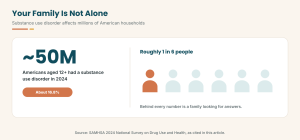
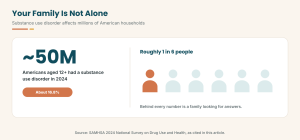
You are not alone in facing these challenges. SAMHSA’s 2024 National Survey on Drug Use and Health estimates that nearly 50 million Americans aged 12 and older, or about 16.8%, had a substance use disorder that year. Behind these numbers are families looking for answers and support.
This guide explains how you can support someone you love, what mistakes to avoid, and how to look after yourself along the way. It also explains how an addiction treatment centre like Cholla Behavioral Health in Phoenix can help your loved one and your family through recovery.
What Does It Mean to Support Someone Struggling With Addiction?
Supporting someone with addiction means staying connected and showing care while they work through a health condition. Addiction is a long-term brain condition that can make someone continue using substances even when they know it is hurting their health, relationships, or daily life.
Your support can make a real difference during this time. You can listen, show patience, and encourage your loved one to seek treatment. However, you cannot make recovery decisions for them. their choices matter, while trained professionals guide their care.
Why Is Family Support Important During Addiction Recovery?
Addiction can make people feel alone, ashamed, or afraid to ask for help. When family members listen without judging, it becomes easier for someone to open up. Sometimes, just saying “I’m here for you” can make a difficult conversation feel less frightening.
A calm and supportive home can also make recovery easier. Regular meals, healthy routines, and fewer arguments give your loved one a better space to focus on getting well. Even small words of encouragement can help them feel noticed and supported.
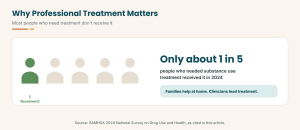
Professional treatment is still important because family members cannot manage addiction alone. Clinicians provide treatment and medical guidance, while you offer support at home. This matters because SAMHSA’s 2024 data show that only about 1 in 5 people who needed substance use treatment received it.
What Signs May Indicate That a Loved One Is Struggling With Addiction?
Addiction does not always become clear right away. You may first notice small changes in someone’s mood, habits, or relationships. These signs do not always mean addiction, but noticing a pattern can help you understand when your loved one may need professional support.
Some common changes to look out for include:
- Sudden mood or personality changes: They may become angry, upset, or distant more often than before. You might also notice that they no longer behave like their usual selves.
- Increased secrecy or isolation: They may avoid family gatherings, spend more time alone, or become uncomfortable when you ask simple questions about their day.
- Neglecting personal and professional responsibilities: Missing work, falling behind in school, or forgetting important responsibilities may become more common as substance use takes priority.
- Financial difficulties: You may notice missing money, frequent requests to borrow cash, or unexplained spending that creates problems at home.
- Changes in sleeping or eating habits: They may sleep much more or less than usual, lose their appetite, or experience noticeable changes in weight.
- Continued substance use despite negative consequences: They may continue using substances even after health problems, job difficulties, or family arguments begin affecting their life.
How Can Families Talk to a Loved One About Addiction?
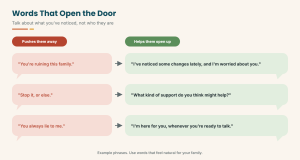
Talking about addiction can feel uncomfortable, especially when you are worried about upsetting someone you love. However, the way you start the conversation can make a big difference. Instead of blaming them, focus on what you have noticed and explain why you are concerned.
You do not need to have all the answers before talking. A calm conversation can help your loved one feel safe enough to share what they are going through. These simple steps can help you approach the discussion with care:
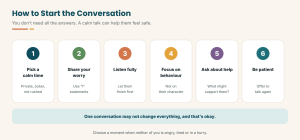
- Choose a calm and appropriate time: Find a private moment when your loved one is sober and neither of you is angry, tired, or in a hurry.
- Express concerns using supportive language: Instead of making accusations, try saying, “I’ve noticed some changes lately, and I’m worried about you.”
- Listen without interrupting: Give them time to explain how they feel. Even if you disagree with something they say, let them finish before responding.
- Avoid blaming or criticising: Talk about the behaviours that worry you instead of attacking their character. This can help prevent the conversation from turning into an argument.
- Encourage an open discussion about seeking help: Ask what kind of support they think might help. You can also explain that treatment is available when they feel ready to explore it.
- Emphasise patience and respectful communication: One conversation may not change everything. Give them time to think, and let them know you are willing to talk again when they feel comfortable.
What Should Families Avoid When Supporting Someone With Addiction?
When someone you love struggles with addiction, you naturally want to fix things as quickly as possible. But sometimes, actions that come from love and worry can make the situation harder. Understanding what to avoid can help you support them in a healthier way.
You do not have to handle everything perfectly. What matters is learning from difficult moments and making better choices as you move forward. Keep these common mistakes in mind when supporting your loved one:
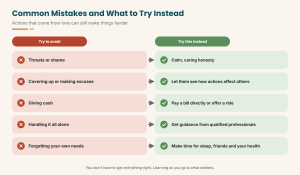
- Making threats or using shame to force change: Threats, guilt, and hurtful comments can make someone feel judged. Instead of helping them open up, these actions may push them away.
- Ignoring harmful behaviour or repeatedly making excuses: Covering up missed work, broken promises, or other problems can make it harder for your loved one to understand how their actions affect others.
- Giving money that may enable substance use: Giving cash without knowing how it will be used may support harmful habits. Consider paying a bill directly or helping with transport instead.
- Managing addiction without professional guidance: Addiction treatment can involve medical needs, especially during withdrawal. Speak with qualified healthcare professionals instead of trying to manage these challenges alone.
- Neglecting your own emotional and physical well-being: Supporting someone can take a lot out of you. Make time for sleep, friends, and your own appointments so you can look after your health too.
How Can Families Encourage a Loved One to Seek Addiction Treatment?
Asking someone to consider treatment can be difficult, especially when they do not believe they have a problem. They may worry about withdrawal, treatment costs, privacy, or what others will think. Listening to these concerns can make the conversation easier and help them feel understood.
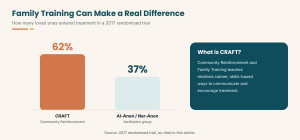
The way you approach treatment also matters. Instead of making it sound like a punishment, explain that professional help can give them the support they need. A 2017 randomised trial found that 62% of loved ones entered treatment when relatives received Community Reinforcement and Family Training (CRAFT), compared with 37% in an Al-Anon/Nar-Anon facilitation group.
You can also make the first steps easier by offering practical help. Here are some ways to encourage your loved one to explore treatment:
- Research available addiction treatment services: Look for treatment programmes and check insurance coverage.
- Discuss treatment options openly: Explain the differences between inpatient care, PHP and IOP, and outpatient treatment. Give your loved one time to understand these options and share their thoughts.
- Offer assistance with appointments: Help them make calls, complete paperwork, or arrange appointments. Having someone beside them can make starting treatment feel less stressful.
- Provide transportation or logistical support when appropriate: Offer a ride to their first appointment or help with childcare. Small acts of support can remove problems that might otherwise stop them from getting help.
- Encourage professional assessments: A licensed treatment team, such as Cholla’s clinicians, can review substance use, physical health, and mental health concerns before suggesting a suitable treatment plan.
What Role Does Family Involvement Play During Addiction Treatment?
Family involvement can help your loved one feel supported while receiving professional treatment. Depending on the programme, you may take part in family therapy, educational sessions, or conversations about how to support recovery after treatment. These activities help everyone understand addiction and communicate better.
However, family involvement depends on the treatment plan and your loved one’s consent. Their health information remains private under applicable privacy laws. Programmes such as Cholla Behavioral Health’s addiction treatment services may include family sessions and education, helping loved ones understand recovery and learn how to offer healthier support.
How Can Addiction Affect Family Members and Relationships?
Addiction does not affect only the person using substances. It can also change the lives of parents, partners, children, and siblings. Family members may spend their days worrying, lose sleep, or feel like they must be careful about everything they say.
Over time, these problems can affect trust and relationships. Broken promises may lead to arguments, while money problems can create more stress at home. Children may blame themselves, partners may take on extra responsibilities, and parents may struggle with guilt and fear.
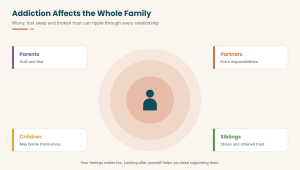
Think about a mother who stops meeting her friends because she is always worried about her son’s health. Slowly, her own life becomes smaller. This is why your feelings matter too. looking after yourself helps you stay emotionally strong while supporting someone you love.
What Support Options Are Available for Families of People With Addiction?
You do not have to understand addiction or manage its effects on your own. There are different support options that can help you learn, talk about your feelings, and find better ways to support your loved one.
Some options focus on your own well-being, while others help your entire family understand addiction. You can explore the following resources and choose the ones that feel right for your situation:
- Family therapy: A therapist helps family members talk openly, work through problems, rebuild trust, and understand how they can support recovery.
- Individual counselling: Talking with a licensed therapist gives you a private space to discuss worry, anger, guilt, or stress without feeling judged.
- Addiction education programmes: These programmes explain how addiction affects the brain, what treatment involves, and how families can support recovery.
- Family support groups: Groups such as Al-Anon for alcohol-related concerns and Nar-Anon for drug-related concerns allow families to share experiences and learn from others.
- Community recovery resources: Local meetings, peer recovery specialists, and helplines can connect you with people and services that understand what your family is facing.
- Professional behavioural health guidance: A behavioural health team can explain treatment options, answer your questions, and help address other mental health concerns, such as anxiety or depression.
How Can Families Support Long-Term Addiction Recovery?
Recovery does not end when someone finishes a treatment programme. Your loved one may still need therapy, medication, and regular support as they return to everyday life. According to NIDA, relapse rates for drug use are similar to those for other chronic illnesses, which shows why continued care matters.
You can help by creating a supportive home environment and encouraging healthy habits. The following steps can help your loved one stay connected to recovery while giving your family a healthier routine:
- Support healthy daily routines: Encourage regular meals, enough sleep, exercise, and activities that do not involve substances. These habits can make everyday life feel more stable.
- Encourage continued treatment participation: Therapy and medication management may continue after the main treatment programme ends. Show interest in their progress without making them feel pressured.
- Recognise progress without creating pressure: Celebrate small steps and important milestones. Let your loved one know you notice their efforts without making every day feel like a test.
- Maintain healthy communication: Keep conversations open and honest. Ask how they are feeling, listen to their concerns, and share your own feelings without turning every discussion into an argument.
- Understand potential relapse warning signs: Pulling away from family, missing appointments, or returning to old social circles may signal a problem. Notice these changes early and encourage your loved one to speak with their treatment team.
- Respond constructively to setbacks: A return to substance use does not mean recovery is over. Encourage your loved one to contact their treatment team and review their care plan. Keeping naloxone at home is also important where opioid overdose is a risk, as preliminary CDC data show Arizona’s overdose deaths rose by more than 17% in 2025.
Explore Addiction Treatment and Family Support for Your Loved One
Supporting someone with addiction can feel like a long and difficult journey. You may not know what to say, how to help, or which treatment option to choose. But learning about addiction and finding the right support can help you take the next step with more confidence.
Cholla Behavioral Health provides personalised addiction treatment in Phoenix. The care team starts by learning about each person’s substance use history, physical health, and emotional needs. Based on this assessment, we can help explore suitable care options, including inpatient and outpatient treatment, PHP, IOP, medication management, and family support.
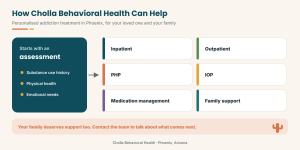
You do not have to wait for another difficult moment before asking for help. If addiction is affecting someone you love, Cholla Behavioral Health can help you understand what comes next. Its team can listen to your concerns, answer your questions, and guide your family towards suitable treatment options.
Take the first step today. Contact Cholla Behavioral Health to discuss your loved one’s needs and learn how professional treatment can help. Your family deserves support too, and finding the right help can be the beginning of a healthier path forward.
Frequently Asked Questions (FAQs)
Q1. What should I do if my loved one refuses addiction treatment?
Stay calm, keep talking, and avoid blaming or threatening them. Set clear boundaries, learn about treatment options, and consider CRAFT training to improve your communication. Family support groups can also help you manage your own feelings during this time.
Q2. Should families stage an intervention?
A formal intervention is one option, but surprising someone with a group confrontation may make them feel attacked. Research suggests that calmer, skills-based approaches such as CRAFT can help encourage treatment. A trained professional can guide your family.
Q3. Does relapse mean addiction treatment has failed?
No. According to NIDA, relapse can happen with long-term health conditions and may mean treatment needs to change. Avoid blaming your loved one and encourage them to contact their treatment team for support.
Q4. How long does recovery from addiction take?
Recovery looks different for everyone. Treatment length depends on the substance, severity of addiction, other mental health concerns, and personal needs. Some people need ongoing support for years, so focus on steady progress rather than expecting quick results.