If addiction were as simple as “just stop using,” we wouldn’t need treatment centers at all. If it were the case, your willpower alone could solve it, and you wouldn’t be reading this.
That’s exactly why the Addiction Treatment Center in Phoenix, AZ exist: to give you a plan that actually works, not a pep talk with all those similar pamphlets.
So, what actually happens when you walk through the doors of an addiction treatment center? If you’ve also wondered about it, this is your behind the scenes guide on how those centers actually treat addiction.
Let’s pull back the curtain.
What Happens Inside an Addiction Treatment Center in Phoenix, AZ?
Addiction isn’t merely a bad habit – it hijacks your brain’s reward circuitry. Dopamine spikes, stress responses go disordered, and cravings become relentless, making it feel like you’ve lost control of your life.
So when relapses happen, it’s easy to think you’ve failed – but that’s a myth.
According to the National Institute on Drug Abuse (NIDA), substance use disorders are chronic, relapsing medical conditions, not a reflection of your character or willpower.
That’s exactly why a Drug Rehabilitation Center in Phoenix, AZ doesn’t only focus on stopping substance use. The real goal is calming the cravings, and taking control of your life back – step by step, day by day.
Did you know? Underage drinkers and adult drinkers addicted to alcohol, consume between 37.5% and 48.8% of the value of all alcohol in the U.S.
Step 1: The Intake and Assessment Process
Coming to a Drug Rehab Centers Phoenix AZ can feel scary. But it is similar to visiting a new playground – a place where people help you figure out how to start living life again.
Take a look at these few steps of the assessment processes:
Step 2: Check Up Time
The first thing a therapist checks is how you’re doing:
- Are you healthy?
- Are you feeling sad, anxious, or scared a lot?
- Are there things in your past that make recovery tricky?
Step 3: Telling Where Addiction Shows Up
Next, your Physiatrists ask you about when the addiction hits and what substance you crave. A therapist at Addiction Treatment Center in Phoenix, AZ do not ask this to judge you, but to understand the factors like:
- When do cravings hit hardest?
- What situations make it worse?
- How bad does it get?
It’s like showing the therapists your messy Lego tower so they can help you rebuild it stronger.
Step 4: Checking for Extra Challenges
Sometimes addiction comes with friends like anxiety, depression, or PTSD side by side.
The therapists look for these too because:
- You can’t fix one problem and ignore the other
- Treating both at the same time makes recovery way easier
- You get a plan that treats your other symptoms, not just the addiction
Step 5: Making Your Personal Plan
Finally, this is where all the pieces fall into place. Your rehab team gathers everything they have learned – your assessments, medical history, lifestyle factors, and personal goals and creates a personalized a plan for you.
Every recommendation, from exercises and therapies to nutrition and daily routines, is calibrated to meet your needs. It is a strategy to give you the most effective path forward, accelerate progress, and motivate you to take back the lost control of your life.
Lastly, once you get through the assessment, the real treatment starts.
The Treatments and Therapies Drug Rehab Centers Phoenix AZ Offer
Drug rehab is not about a single cure – it’s a mix of proven therapies that tackle addiction from every angle.
Here’s how it works:
1. One on One Therapy
This is a type of therapy that involves private sessions with your therapist directly. It is personalized to you and the therapist solely focuses on you. Ultimately, you learn real life coping tools for cravings and stress – all in a safe, judgment free space with licensed therapists. It is also supported by organizations like the American Psychological Association.
2. Group Therapy & Peer Support
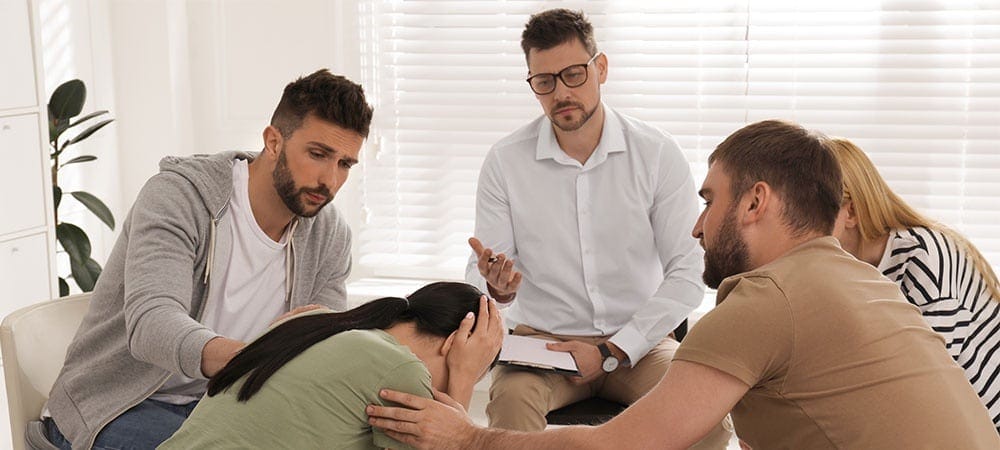
No one wants to feel like they’re fighting alone. This is why group sessions connect you with people who understand your situation and are dealing with the same issues as you. It gives you a chance to brainstorm solutions together.
3. Evidence Based Behavioral Therapies
Cognitive Behavioral Therapy (CBT) is basically talking with purpose.
It’s a type of therapy where you and your therapist team up to figure out how your thoughts, feelings, and actions are all connected. Together, you learn how certain thought patterns – mostly the negative ones – can lead to certain behaviors.
The goal is to notice those thoughts, challenge them, and replace them with options that help you make better decisions and cope better with your triggers.
Are You Aware? According to the National Institute on Drug Abuse, contingency management (positive reinforcement) and motivational interviewing are tools that help people with addiction build new habits and stay on track.
4. Trauma Informed Care
A lot of people in recovery have extra baggage hiding inside of them, like past trauma or mental health struggles. This is why trauma informed Drug Addiction Treatment in Phoenix, AZ doesn’t treat vaguely. Instead, we tackle both issues together, so nothing gets left behind.
5. Family Involvement & Relationship Repair
Recovery doesn’t happen in a single room – it shakes up the whole family. That’s why we get families involved: learning how to talk without triggering drama, set healthy boundaries, and cheer you on without accidentally getting into old habits.
Remember that rebuilding trust takes time, but with the right guidance, families can go from chaotic to connected – and it feels amazing when it clicks.
Preparing for Life After Treatment
An addiction treatment doesn’t end the moment someone walks out of a rehab facility – in many ways, that’s just the beginning of the real work.
A good relapse prevention plan helps you spot the sneaky triggers and early warning signs before they bring in the relapse again. Maybe it’s that street you used to hang out on, or just a sudden slump in your mood – knowing what triggers you is half the battle.
That’s why staying connected with therapy and peer support isn’t just “recommended,” it’s a necessity. It keeps you accountable, makes the tough days feel normal, and yes, gives you a reason to celebrate even the small recoveries.
Did You Know? According to the U.S. government, most rehab programs actually include structured aftercare – things like ongoing counseling and support groups.
Drug Addiction Treatment in Phoenix, AZ and Their Purpose
| Treatment Component | Purpose in Recovery |
| Clinical Assessment | Identifies medical, psychological, and behavioral needs |
| Detox (if needed) | Safely manages withdrawal and stabilization |
| Individual Therapy | Addresses personal triggers and emotional patterns |
| Group Therapy | Builds connection, accountability, and peer insight |
| Behavioral Therapies | Rewires thought patterns and coping responses |
| Aftercare Planning | Supports long term recovery and relapse prevention |
Why Addiction Treatment Center in Phoenix, AZ Take a Personalized Approach
Everyone comes in for treatment with a different story, different struggles, and different strengths. Maybe it’s your work schedule, your family life, your cultural background, or even the type of drug you’ve been addicted to. All of these contribute to taking a personalized approach.
That’s why at Cholla Behavior Health, we don’t hand you a generic plan and hope that it works. We sit down with you, listen, and create a plan that fits in your life, your goals, and your personality.
The Bottom Line
If you’ve read this far, you know addiction isn’t just a bad habit to ignore – it rewires your brain, sneaks into your thoughts, and turns every part of your life. That’s why Addiction Treatment Center in Phoenix, AZ don’t just tell you to “stop the substance abuse” or hand you a generic plan to follow it blindly. We make sure that every step – from intake assessments to personalized therapy, trauma informed care, family involvement, and aftercare – is a building block in taking back control of your life.
Lastly, addiction may have turned your life upside down, but with the right guidance, perspective, and tools, you can reclaim it – with the confidence that you’re not doing it alone.
Ready to Become Addiction Free?
If addiction has been holding you back from the important moments of your life, we are here to change that. Book a consultation with Cholla Behavior Health – where support, guidance, and personalized recovery come together.
Your life has been sending you signals for a reason – let’s listen and take back control, together.
Additional Questions
How long does addiction treatment usually last?
Length varies depending on severity and individual needs, but most programs range from 30 days to several months.
Do I need detox before entering an addiction treatment center?
Some patients do need detox, especially with substances like alcohol, opioids, or benzodiazepines. Detox is supervised and safe, reducing medical risks.
Can addiction treatment help with mental health issues too?
Absolutely. Integrated treatment addresses both addiction and co-occurring conditions like anxiety, depression, or PTSD.
What happens if someone relapses after treatment?
Relapse is a signal, not a failure. Treatment teams adjust plans, reinforce coping skills, and provide renewed support.