
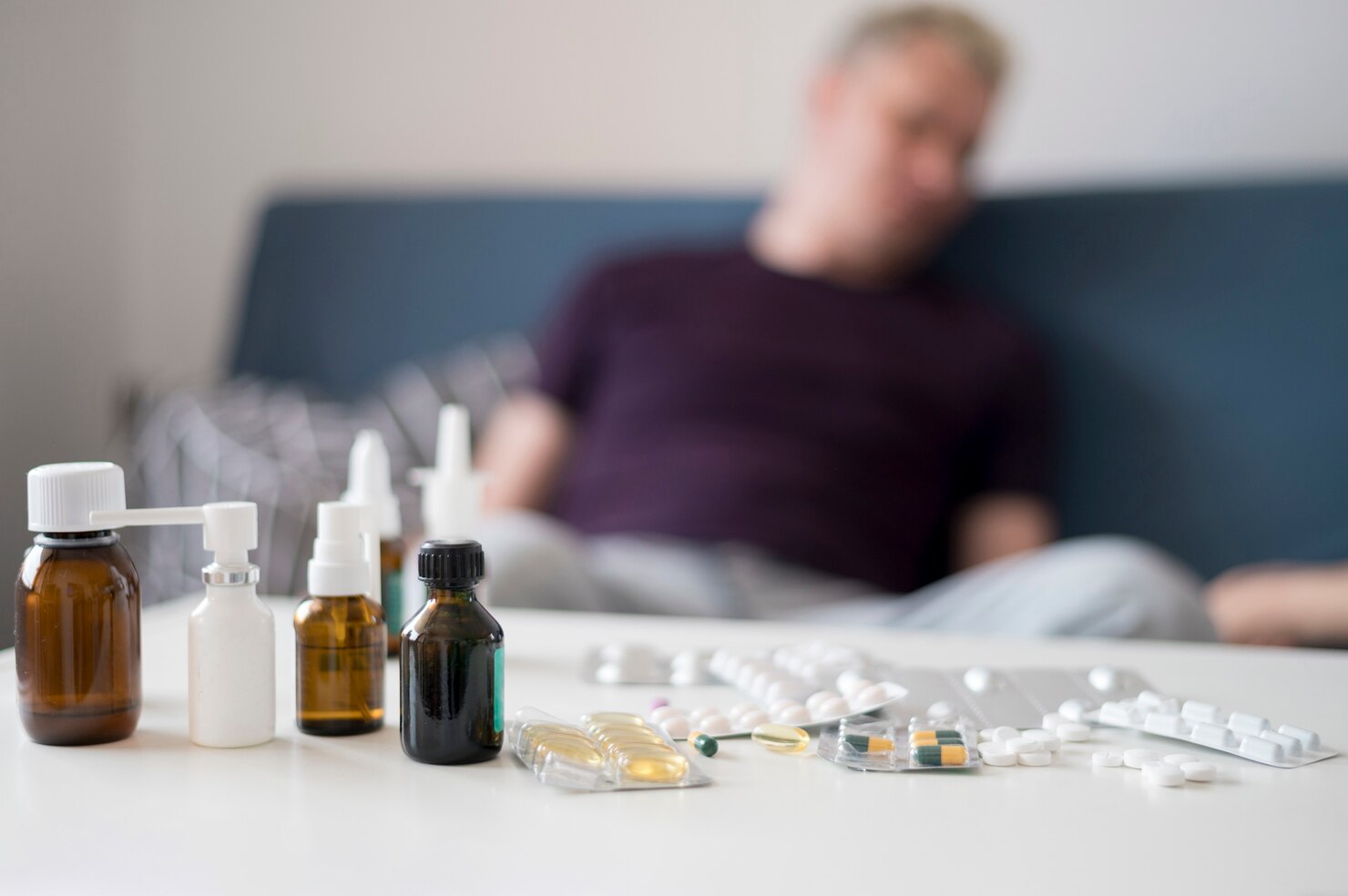
Anxiety and depression are among the most common mental health concerns and substance misuse affects millions of people every year. Some people experience only one of these challenges, while others are dealing with both, which can make everyday life feel much more difficult.
If both occur simultaneously, it is known as a co-occurring disorder. This does not mean that anxiety and depression invariably cause drug or alcohol abuse, nor does drug or alcohol abuse invariably cause anxiety or depression. But, when they overlap they can make daily challenges more difficult to deal with.
The symptoms and signs can be slow, so many do not realize that they need additional help until both difficulties begin to impact them. Knowing how they are related can help you identify when a holistic approach to treatment and recovery might be the best option.
Connection Between Mental Health and Substance Misuse
The connection between mental health and substance misuse is not always obvious because it develops gradually. Someone struggling with anxiety or depression may start using alcohol or drugs to get through the day, but that temporary relief can make emotional struggles even harder over time.
Looking at this connection as a cause-and-effect relationship does not tell the whole story. Sometimes both problems grow from the same things, like long-term stress, trauma, family history, or changes in the brain. When they occur together, treating only one is problematic because each condition can continue to affect the other.
4 Ways Anxiety May Influence Substance Misuse
Anxiety may become a way of life and even minor situations may seem challenging. Eventually, people begin to use alcohol or drugs to help them feel better during those moments, that is when these patterns emerge:
- Coping with persistent worry or stress: If worry persists, alcohol or drugs can be a quick solution to feel calm for a short time.
- Social anxiety and alcohol or drug use: Some use alcohol or drugs as a way to calm their anxiety before a social event.
- Seeking temporary emotional relief: These can help temporarily mask anxious emotions but they do not tend to last.
- Why healthy coping strategies matter: Small things such as deep breathing or grounding can be helpful when coping with stress without substance use.
4 Ways Depression May Influence Substance Misuse
Depression and substance misuse can become closely connected because living with emotional pain every day is exhausting. Some of them begin their search for anything that will provide a bit of relief, which is where these patterns begin to show up:
- Managing sad or hopeless feelings: Alcohol or drugs might help get rid of the sadness for a while.
- Pulling away from others: Avoiding family and friends can help with access to substances.
- Low energy and less motivation: Things are difficult to do every day and taking drugs or alcohol is an easier option.
- Treating both problems together: Receiving treatment for both problems at the same time can help recovery.
4 Ways How Substance Misuse May Affect Anxiety and Depression
Drug and alcohol abuse can make anxiety and depression even more difficult to cope with. Initially, such relief might seem like temporary relief, but over time, it can develop new emotional and daily struggles, such as those listed below:
- Changes in mood: Alcohol or drugs can alter how the brain functions, causing mood swings, irritability or increased sadness.
- Sleep and energy disruptions: Substance misuse may affect sleep, so that you are tired, anxious and lack energy during the day.
- Increased emotional distress: When the effects dissipate or withdrawal sets in, emotional distress may feel even greater and more intense.
- Challenges in daily life: Daily living activities, work, relationships become more difficult with the severe effects of substance use.
These effects are not rare or limited to a small number of people. The 2024 National Survey on Drug Use and Health found that 21.2 million U.S. adults were living with both a mental illness and a substance use disorder, while 7.4% of adults reported moderate or severe anxiety symptoms and many still went without formal treatment.
Common Approaches Used to Treat Co-Occurring Disorders
Combined treatment of anxiety, depression and substance abuse is typically more successful than treating each of these disorders individually. A dual diagnosis treatment plan takes into account the ways these struggles interact and includes the following effective ways to achieve long-term recovery:
- Individual therapy: This is a 1-to-1 therapy session which can help individuals to understand their thoughts, feelings and triggers.
- Group counselling: It is a supportive environment in which individuals can exchange experiences, gain insight from others and feel less isolated.
- Medication management (when needed): Carefully planned medication management to help control symptoms, mood and cravings.
- Coping skills development: Dealing with stress, anxiety, difficult emotions and daily challenges in healthy ways using simple techniques.
- Relapse prevention education: Learning to identify and avoid triggers and respond before a relapse occurs.
- Family education and support: Educating and informing family members about the recovery process, providing them with improved encouragement and support.
Get More Information About Dual Diagnosis Treatment!
Recovery is more meaningful when you begin to feel strong, clear and start to feel confident in everyday life. Our Dual Diagnosis Treatment Center provides personalized care that can help you make lasting progress, develop healthier habits, strengthen relationships and find hope in the future.
If you are ready to take the next step, Cholla Behavioral Health is here to help. Schedule a comprehensive evaluation today and let our experienced team create a personalized recovery plan that supports lasting healing, renewed confidence and a healthier future.
Frequently Asked Questions (FAQs)
Q1. Does depression always come before substance misuse?
Not always. When people are suffering from depression, they may turn to drugs or alcohol and vice versa: drugs or alcohol may trigger or intensify depression.
Q2. What is dual diagnosis treatment?
Dual diagnosis treatment is a process that can treat the mental health problem and a substance use disorder simultaneously.
Q3. Can co-occurring disorders be treated successfully?
Yes. Many individuals control both disorders and achieve long-term recovery with the support of integrated therapy, medication management (where applicable) and regular support.
Q4. How do I know if I need dual diagnosis care?
When anxiety or depression symptoms occur simultaneously with frequent drug use, or appear to exacerbate the other, professional evaluation can help.